
The Scroll is the New Shelf.
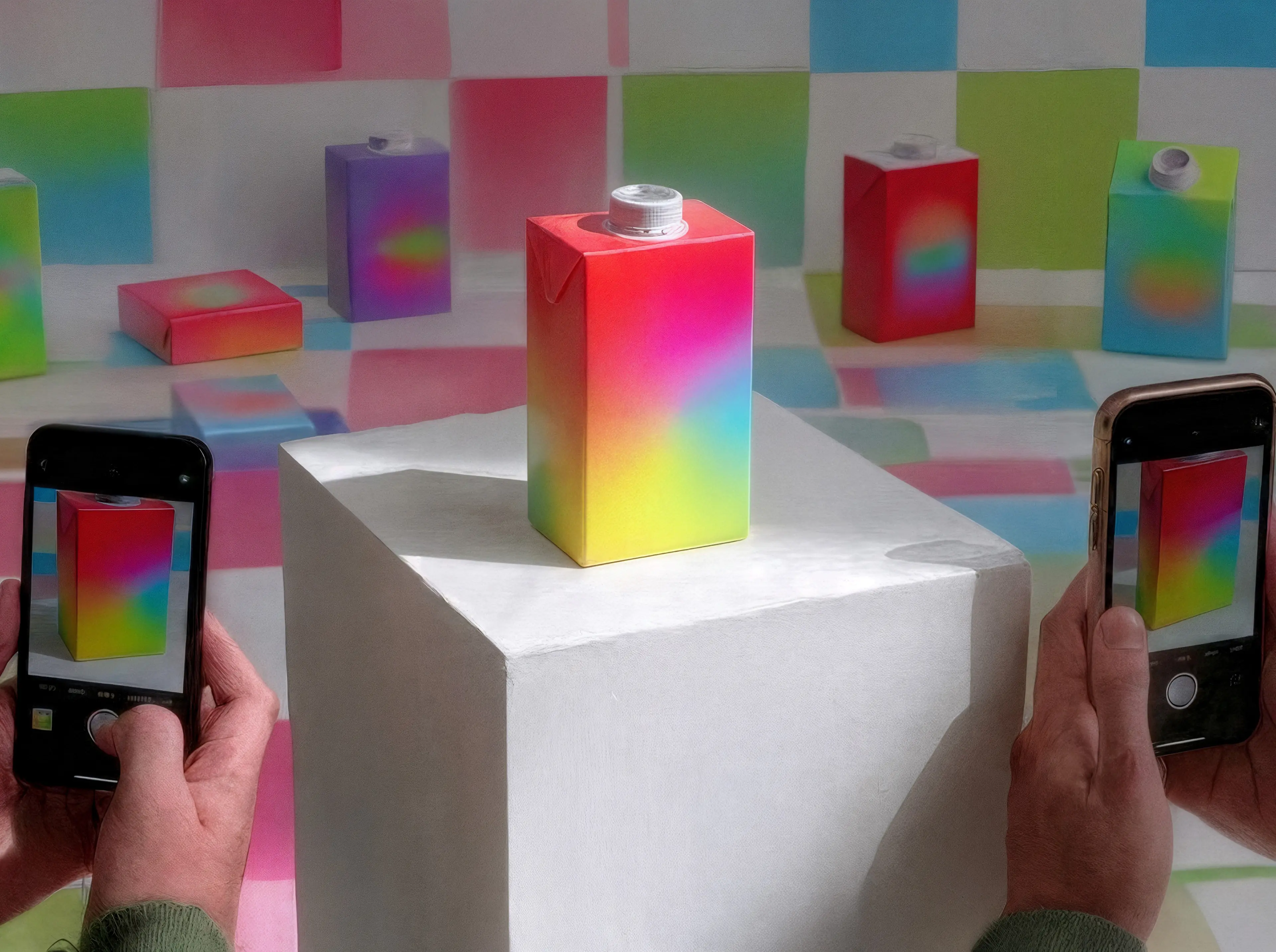
How CPG brands can capture hearts in today’s algorithmically driven world.
For years, consumer brands have shown up as helpful, upbeat companions. The playbook was breadth — appealing to as many people as possible with the common denominator of "friendly."
CPG brands in particular used to win with this approach, complemented by retail distribution and shelf placement. As long as it was easy to understand, easy to buy, and easy to feel good about, that brand had a real advantage. Everyone likes vanilla, right?
But shifts in culture and the role of social platforms in our lives have upended all that.
Social feeds are now where brands are discovered, discussed, and judged loooong before someone might see it on the shelf. And it's impossible to break through in the attention economy with the old, mass-appeal approach. Users swipe past anything that doesn't instantly grab their attention.
At the same time, mass culture has divided (and subdivided) into hyperactive microcommunities online. Talking to everyone quite literally means a brand is talking to no one.
Now, a distinctive point of view and extreme clarity earn people's attention (and win with the algorithms). Brands need to make bold, memorable choices in how they show up and develop sharp approaches to connect with specific communities.
Our 2026 State of Brand: Branding at the Edge report explores the polarities reshaping culture and, in turn, how brands can succeed today. Here, we dive deeper into how CPG brands can bring new and existing products to life with specific communities.
Move #1: Misbehave
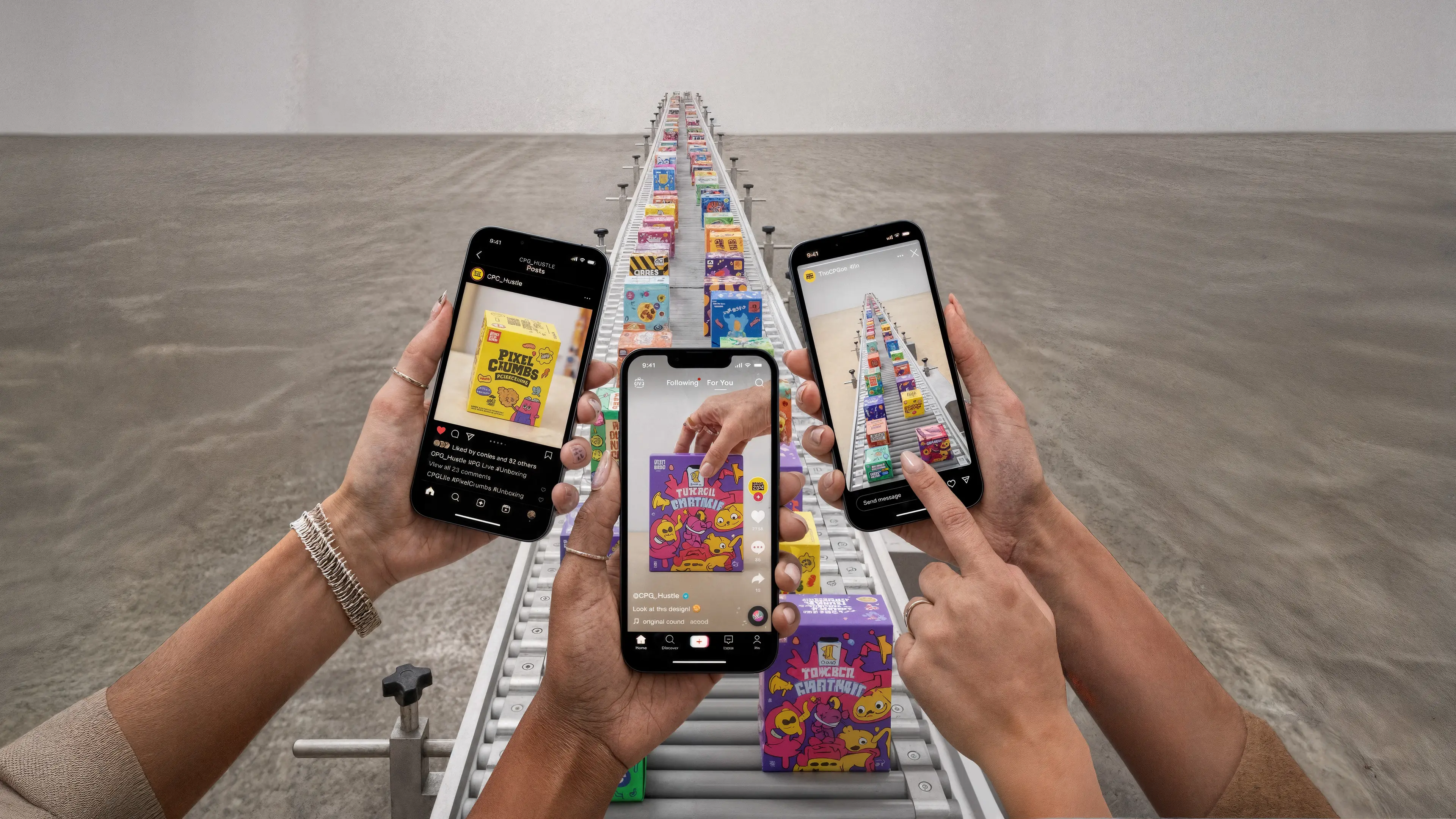
From regulations and shadow bans to terms of service, brands and creators have a lot to navigate in online communities. But these constraints also create borders within which ambitious (and regulated) brands can find loopholes, speaking to their fans in ways that actually mean something, all while staying compliant.
Cann noticed that TikTok users had developed a coded language to discuss cannabis without getting flagged, like leaf emojis, gardening references, and creative spelling. So Cann leaned in. Instead of trying to work around its audience, it worked with them, adopting the lingo to build interest in its cannabis-infused beverages within the confines of TikTok's rules. The result? TikTok users embraced the brand that spoke their language.
Move #2: Go Behind the Scenes
The past decade brought no shortage of celebrity beauty brands: Hailey Bieber's Rhode, Selena Gomez's Rare Beauty, Rihanna's Fenty Beauty. And while a famous founder moves product, their face alone isn't enough.
The smartest brands are pairing star power with genuine transparency: partnering with credible third parties, showing how products are made, and letting customers into the process. For brands willing to open that door, it's a legitimacy play that builds lasting trust.
Martha Stewart's Elm Biosciences is a clear example. Stewart co-developed the beauty brand with a community of over 350 doctors, scientists, and medical researchers to ensure its claims could hold up to scrutiny. She's also documented her own experience building and using Elm through selfies, straight-to-cam testimonials, and glimpses at her daily routine.
Move #3: Shake Up the Staples
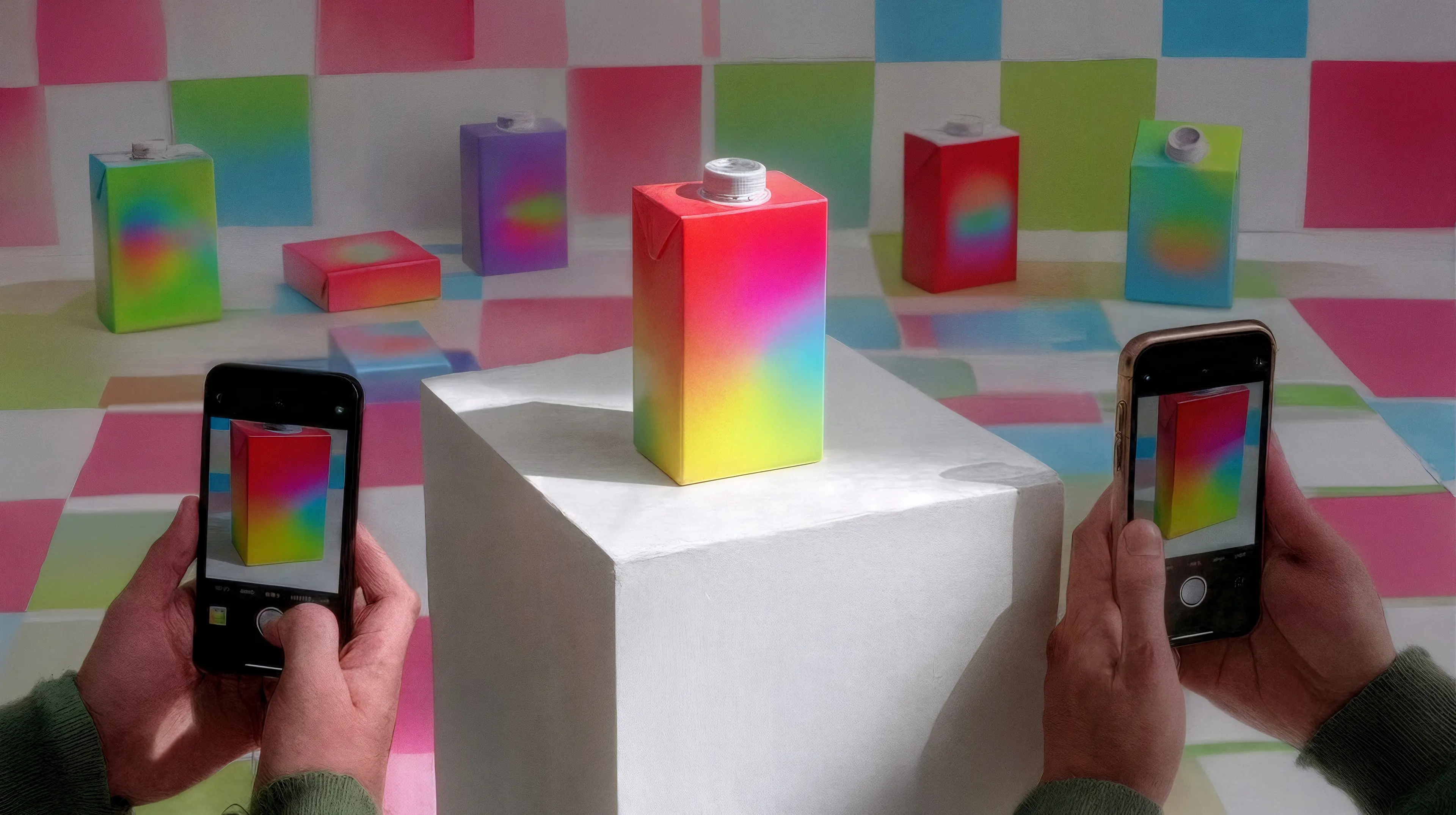
Some food brands have turned commodity categories into cultural moments. Mayonnaise. Tinned fish. Bold branding and sharp personality have moved products from the back of the pantry to the front of the feed, and in doing so, revitalized entire categories.
Molly Baz's Ayoh! took everything bland and safe about mayonnaise and replaced it with a loud, irreverent identity. Packaging designed to stop the scroll and flavors like Hot Giardinayo helped land a nationwide Whole Foods rollout. Fishwife did the same for tinned fish. She's the Sauce reimagined ranch. Even Beyond Meat (once the disruptor, now the establishment) is swinging bold again with Beyond Immerse, a sparkling plant-based protein drink announced in early 2026.

Move #4: Make R&D Socially Native
Product innovation used to mean long R&D cycles and slow-moving category research. Now it looks like social pattern recognition followed by fast deployment. When a behavior becomes a repeatable format on TikTok (think snack hacks, GRWMs, and dance routines), the most memorable brands weave that insight directly into their product lines.
The pickle craze on TikTok (the hashtag #pickle has billions of views) gave rise to Good Girl Snacks' Hot Girl Pickles with bold flavors, packaging built to be seen, and timing built around the moment. Mars Inc. spotted the viral freeze-dried Skittles trend and turned it into an official product, Skittles POP'd, using TikTok Shop for early access before retail rollout. Aldi saw people freezing grapes as a snack and simply started selling pre-frozen cotton candy grapes as a grab-and-go freezer item.
Beauty followed the same logic. Tubing mascara exploded on TikTok, and CoverGirl responded with its first-ever tubing mascara, the Eye Enhancer Wrap. Chipotle partnered with Wonderskin to launch an avocado-inspired lip stain. It’s a SKU engineered to go viral from day one.

Go for love, not the like
So what does all this mean for CPG leaders? The feed doesn't require every brand to get louder. It rewards brands that pick their edges, build around them, and express that clearly and consistently. Not for the sake of provocation but in service of becoming more themselves, and in turn becoming more meaningful to some (even if not to all). When you stop chasing generic likability, the upside is the fierce love and loyalty that every business craves.